Library / Professional
UI/UX and interaction design
Affordances, research method, and the craft of making a system legible to the person using it.
Why this shelf
A national platform is a room too. The same question applies — what does its structure make easy, and who does that leave out?
- The Design of Everyday ThingsBest door in
Book
The Design of Everyday Things — Donald A. Norman, 1988
Affordances, signifiers, and the insight that blaming the user is almost always a design failure in disguise. Still the first thing I would hand anyone.
Book
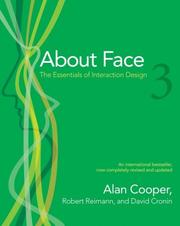
About Face — Alan Cooper, 1995
Goal-directed design, and the observation that software built without a model of the user ends up modelling the engineering instead.

Book
Don't Make Me Think — Steve Krug, 2000
Short, and right about almost everything. Its case for cheap, frequent testing over occasional expensive testing is the one I quote most.
Book
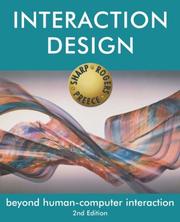
Interaction Design — Yvonne Rogers, Helen Sharp & Jenny Preece, 2002
The textbook, and a genuinely good one. Where I go when I need the underlying theory rather than a practitioner’s shortcut.
Book
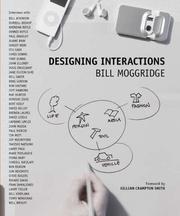
Designing Interactions — Bill Moggridge, 2006
Interviews with the people who made the things. It teaches judgement by example, which is the only way judgement really transmits.

Book
Universal Methods of Design — Bruce Hanington & Bella Martin, 2012
100 methods, one page each, with the conditions under which each is appropriate. The conditions are the useful part.

Book
Just Enough Research — Erika Hall, 2013
The antidote to research theatre. Brisk about what you actually need to find out and when you should stop.

Book
Laws of UX — Jon Yablonski, 2020
The psychological principles behind interface conventions, each traced to its source. Useful for explaining a decision to people who did not make it.
Built on this shelf
What I built out of these
Principles for designing learning materials
The guide’s fourth part is twenty principles for materials the learner has to operate, and it is this shelf’s argument in numbered form — including the places where a widely taught law turns out to rest on nothing.
Open itWhat design is, and what designers do
The general talk takes its accident cases and its account of what the job actually is from here, then tests the profession’s own claims about its value against what has been published.
Open itRules
How this shelf is kept
- Nothing is here because it is famous. Several famous things are deliberately absent.
- Every entry carries one line in my own words on why it matters. No publisher blurbs.
- Every shelf names its best door in for a newcomer.
- Anything superseded is removed, not archived.
Nearby